
The media plays a powerful role in shaping political opinion across societies. From traditional newspapers and television to digital platforms and social media, media outlets influence how people perceive political leaders, policies, and events. In democratic systems, media acts as a bridge between the government and citizens, informing the public while also shaping attitudes and beliefs.
In today’s information-driven world, understanding the role of media in shaping political opinion is essential. Media not only reflects public opinion but also actively constructs narratives that guide political thinking and decision-making.
Media as a Source of Shaping Political Information
One of the most important roles of media is providing political information. Citizens rely on news outlets to learn about elections, government policies, political debates, and international affairs. The way information is selected and presented significantly affects how political realities are understood.
Through headlines, visuals, and expert commentary, media contributes directly to shaping political opinion by deciding what information reaches the public and what remains unseen.
Influence of News Framing on Public Perception
News framing refers to how media presents political issues by emphasizing certain aspects over others. The same event can be framed as a success, a failure, or a controversy depending on the narrative chosen.
This framing influences how audiences interpret political events, often guiding emotional responses and judgments. As a result, framing plays a central role in shaping political opinion, especially during elections and policy debates.
Agenda Setting and Shaping Political Opinions
Agenda setting is another powerful mechanism through which media influences politics. By focusing repeatedly on specific issues, media signals what topics are important and deserve public attention.
For example, consistent coverage of unemployment, corruption, or national security can elevate these issues in public consciousness. This process does not tell people what to think, but it strongly influences what they think about, thereby shaping political opinion indirectly.
Television and Broadcast Media Impact
Television has historically been one of the most influential tools in political communication. Political debates, interviews, and election coverage reach millions of viewers simultaneously, shaping mass political awareness.
Visual elements such as body language, tone, and presentation style also affect audience perceptions of political leaders. Broadcast media therefore continues to play a significant role in shaping political opinion, particularly among older and less digitally connected populations.
Print Media and Opinion Formation
Despite the rise of digital platforms, newspapers and magazines still influence political opinion, especially among educated readers. Editorials, opinion columns, and political analyses help interpret complex issues and offer ideological perspectives.
Print media contributes to shaping political opinion by providing depth, context, and historical comparisons that are often missing in fast-paced digital news.
Digital Media and Online Political Narratives
Digital media has transformed political communication by allowing instant access to information and diverse viewpoints. Online news portals, blogs, and independent media platforms have expanded the political discourse beyond traditional gatekeepers.
However, digital media also accelerates the spread of misinformation and polarized narratives. Algorithms often promote content that reinforces existing beliefs, intensifying the role of media in shaping political opinion in both positive and negative ways.
Social Media and Political Influence
Social media platforms such as Facebook, X (Twitter), Instagram, and YouTube have become major political spaces. Politicians use these platforms to communicate directly with voters, bypassing traditional media filters.
User-generated content, viral posts, and political hashtags significantly influence public debates. While social media encourages participation and awareness, it also contributes to echo chambers that strongly affect shaping political opinion.
Media Bias and Ideological Orientation
Media bias refers to the tendency of outlets to favor certain political ideologies or parties. Bias may appear in story selection, language, tone, or omission of opposing viewpoints.
When audiences consistently consume ideologically aligned media, their political opinions may become more rigid. Media bias thus plays a critical role in shaping political opinion and increasing political polarization.
Role of Media in Election Campaigns
During election periods, media becomes a central battleground for political messaging. Campaign advertisements, debates, opinion polls, and political commentary influence voter perceptions and choices.
Media exposure affects candidate visibility, credibility, and public trust. As a result, election coverage is one of the most direct ways media contributes to shaping political opinion.
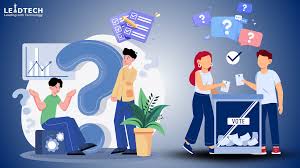
Media Literacy and Critical Political Thinking
Media literacy helps individuals analyze and evaluate political content critically. In an environment filled with misinformation and biased narratives, media-literate citizens are better equipped to form independent political opinions.
Encouraging critical thinking reduces blind influence and ensures that media supports informed democratic participation rather than manipulation.
Ethical Responsibilities of Media Institutions
Media institutions carry ethical responsibilities to provide accurate, fair, and balanced political coverage. Responsible journalism strengthens democracy by enabling citizens to make informed political decisions.
When ethical standards are compromised, media can distort reality and mislead the public, negatively impacting the process of shaping political opinion.
Conclusion: Media as a Powerful Political Force
The role of media in shaping political opinion is undeniable. Through information dissemination, framing, agenda setting, and digital engagement, media influences how individuals understand politics and participate in democratic processes.
As media platforms continue to evolve, their impact on shaping political opinion will only increase. A responsible media system combined with informed and media-literate citizens is essential for maintaining healthy political discourse and democratic values.