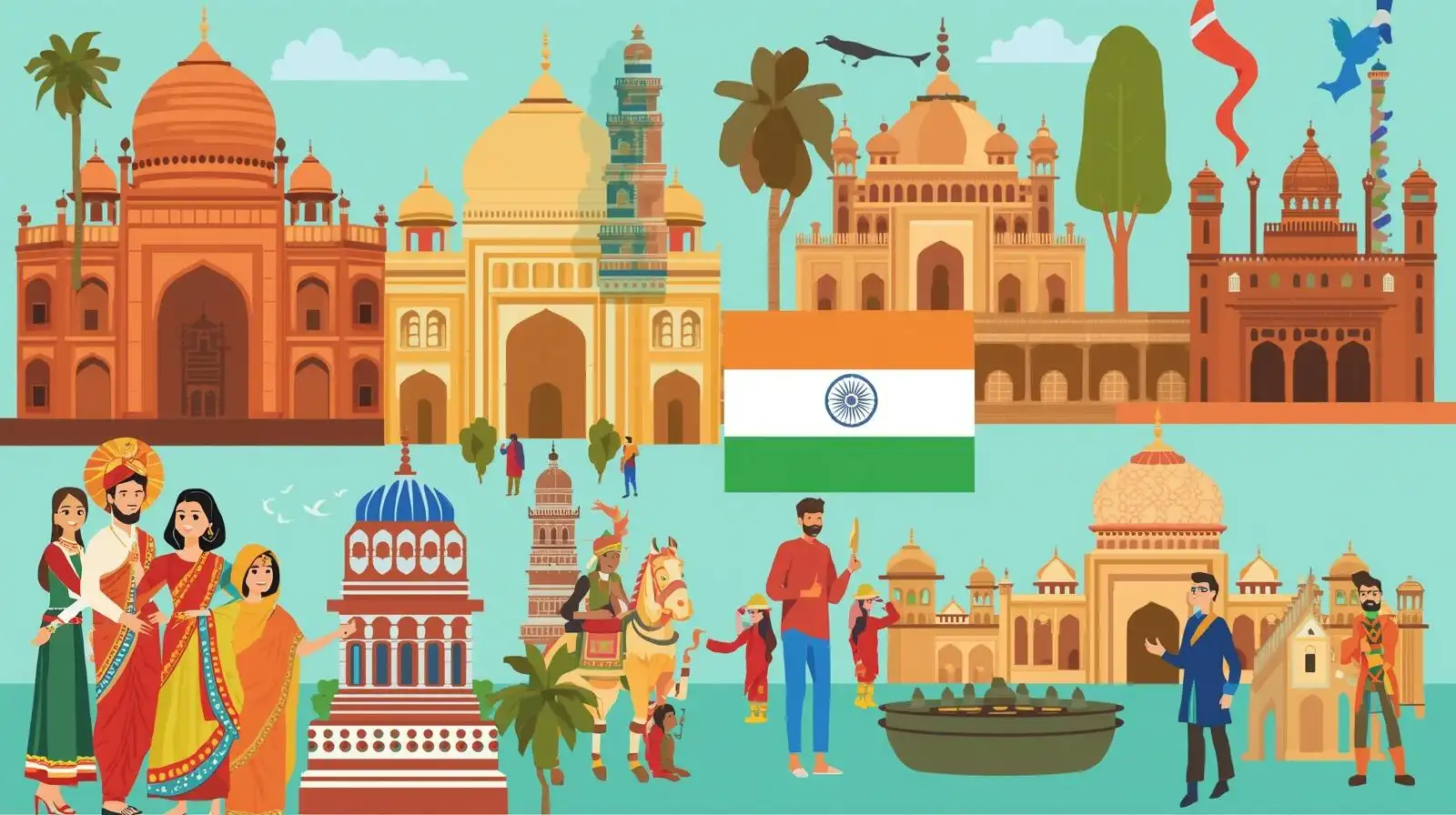
India is one of the most culturally diverse countries in the world. Every region, language, food tradition, festival, and lifestyle reflects the unique identity of its people. Understanding the Culture of Indian states helps us appreciate how deeply interconnected yet beautifully different each state is. From the colorful festivals of Rajasthan to the serene traditions of Kerala, each state contributes to India’s vibrant cultural identity.
This article explores the cultural diversity of Indian states, covering traditions, languages, attire, food, festivals, and the values that define India’s multicultural heritage.2. North Indian Culture: Heritage and Royal Traditions to know about more visit on wiki
1. Understanding the Culture and Regional Diversity
The culture of Indian states is shaped by regional factors such as climate, historical influences, invasions, and local beliefs. From the snow-covered Himalayas to the coastal plains and desert regions, geography plays a key role in shaping customs and traditions.
Despite these differences, Indian culture emphasizes family values, spirituality, community living, and respect for elders. This balance of diversity and unity defines the cultural identity of India.
2. North Indian States Culture: Traditions, Festivals, and Lifestyle
North Indian states such as Punjab, Haryana, Uttar Pradesh, Delhi, Uttarakhand, and Himachal Pradesh represent a rich mix of spiritual and royal traditions.
Key cultural highlights include:
- Festivals like Diwali, Holi, Lohri, and Navratri
- Folk dances such as Bhangra and Giddha
- Traditional clothing like salwar-kameez and kurta-pyjama
- Popular cuisine including parathas, chole, and kebabs
The north strongly contributes to the culture of Indian states through religious heritage and historical monuments.
3. Rajasthan’s Cultural Heritage
Rajasthan stands as a symbol of royal Indian heritage. Known for its grand palaces and desert traditions, the state reflects courage, art, and celebration.
Cultural elements include:
- Folk dances like Ghoomar and Kalbelia
- Traditional attire with vibrant colors
- Art forms such as miniature painting and block printing
- Local cuisine like Dal Baati Churma
Rajasthan’s traditions add a regal charm to Indian state culture.
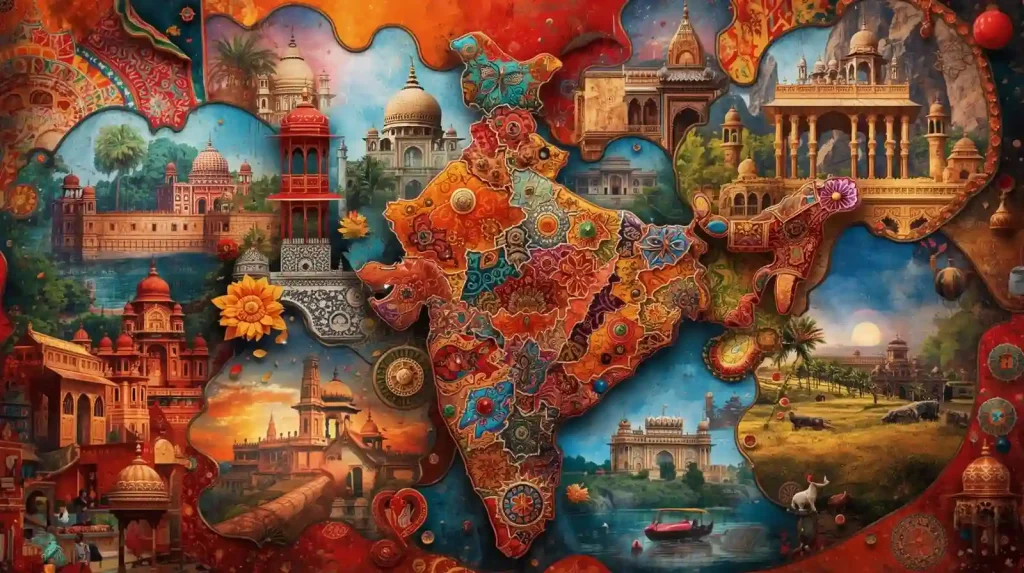
4. Gujarati Traditions and Their Role
Gujarat is known for its vibrant lifestyle and strong community values. The culture is deeply rooted in festivals, crafts, and cuisine.
Major cultural features include:
- Garba and Dandiya dances
- Festivals such as Navratri and Uttarayan
- Traditional food like Dhokla, Thepla, and Khandvi
- Handicrafts including Bandhani and Patola
Gujarati culture plays a significant role in shaping the culture of Indian states through art and celebration.
5. Eastern Indian States Culture: Art, Literature, and Spiritual Roots
Eastern India, including West Bengal, Odisha, Bihar, and Jharkhand, is rich in intellectual, artistic, and spiritual traditions.
Highlights include:
- Durga Puja in West Bengal
- Classical dance Odissi from Odisha
- Madhubani painting from Bihar
- Tribal festivals and folk music
The eastern states represent a deep connection between culture, literature, and spirituality.
6. South Indian States Culture: Temples, Classical Arts, and Rituals
Southern states such as Tamil Nadu, Kerala, Karnataka, Andhra Pradesh, and Telangana are known for their classical traditions and temple architecture.
Key aspects include:
- Classical dances like Bharatanatyam and Kuchipudi
- Carnatic music and traditional rituals
- Temple festivals and spiritual ceremonies
- Distinctive cuisines using rice, coconut, and spices
South India contributes significantly to the classical foundation of Indian state culture.
7. North-East Indian States Culture and Tribal Traditions
The north-eastern states represent some of the most unique cultural identities in India. States like Assam, Nagaland, Manipur, Meghalaya, and Mizoram preserve tribal customs and eco-friendly lifestyles.
Key features include:
- Bihu dance of Assam
- Hornbill Festival of Nagaland
- Manipuri classical dance
- Bamboo crafts and handwoven textiles
These states enrich the culture of Indian states through tribal traditions and sustainable living.
8. Western Indian States Culture: A Blend of Tradition and Modernity
Western India, including Maharashtra and Goa, showcases a blend of historical values and modern lifestyles.
Cultural highlights include:
- Ganesh Chaturthi celebrations in Maharashtra
- Lavani folk dance
- Portuguese-influenced architecture in Goa
- Coastal cuisine and music traditions
The region reflects how Indian state culture evolves with time while maintaining tradition.
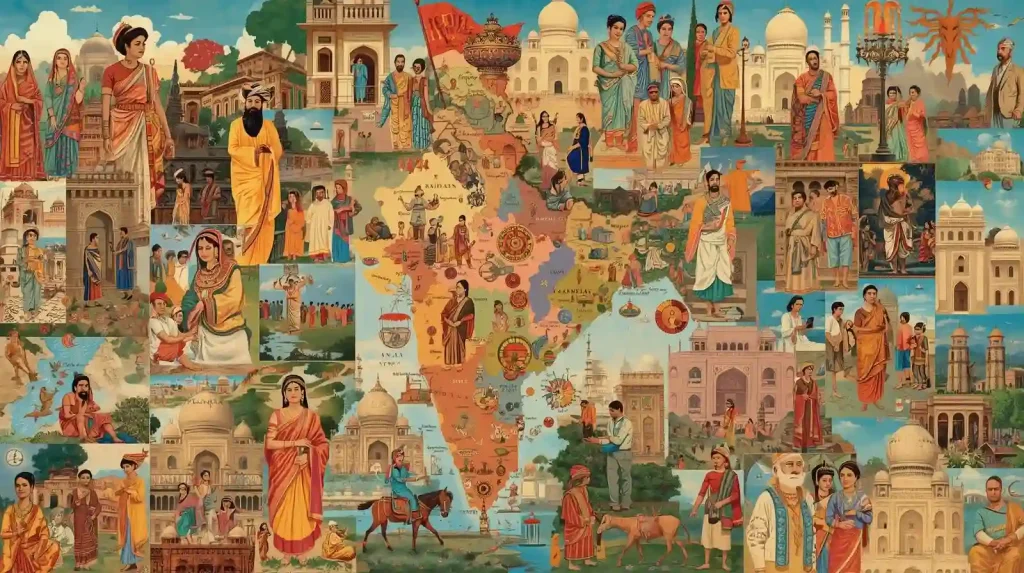
9. Central Indian States Culture and Indigenous Communities
Central Indian states like Madhya Pradesh and Chhattisgarh are known for tribal art and natural landscapes.
Cultural features include:
- Gond and Warli paintings
- Folk dances and music
- Forest-based lifestyles
- Traditional festivals and rituals
These states preserve India’s indigenous cultural heritage.
10. Indian State Culture Reflected Through Art, Crafts, and Handlooms
Art and handicrafts form an essential part of the culture of Indian states. Each region has unique artistic expressions:
- Banarasi silk from Uttar Pradesh
- Kanchipuram silk from Tamil Nadu
- Chikankari embroidery from Lucknow
- Pattachitra paintings from Odisha
- Kashmiri handicrafts
These crafts reflect centuries of cultural creativity.
11. Role of Language and Literature in the Culture of Indian States
Language is a powerful expression of culture. India has 22 officially recognized languages and hundreds of dialects. Each language contributes to folklore, poetry, storytelling, and regional identity.
Literature and oral traditions preserve the cultural values of Indian states and pass them on to future generations.
Conclusion
The Indian states is a remarkable blend of tradition, diversity, and unity. Each state adds a unique cultural flavor through its customs, festivals, food, art, and language. Together, these regional cultures form the foundation of India’s rich and timeless heritage.
Understanding Indian state culture allows us to appreciate not only the differences but also the shared values that unite the nation